
Pioneering Legends of Karate
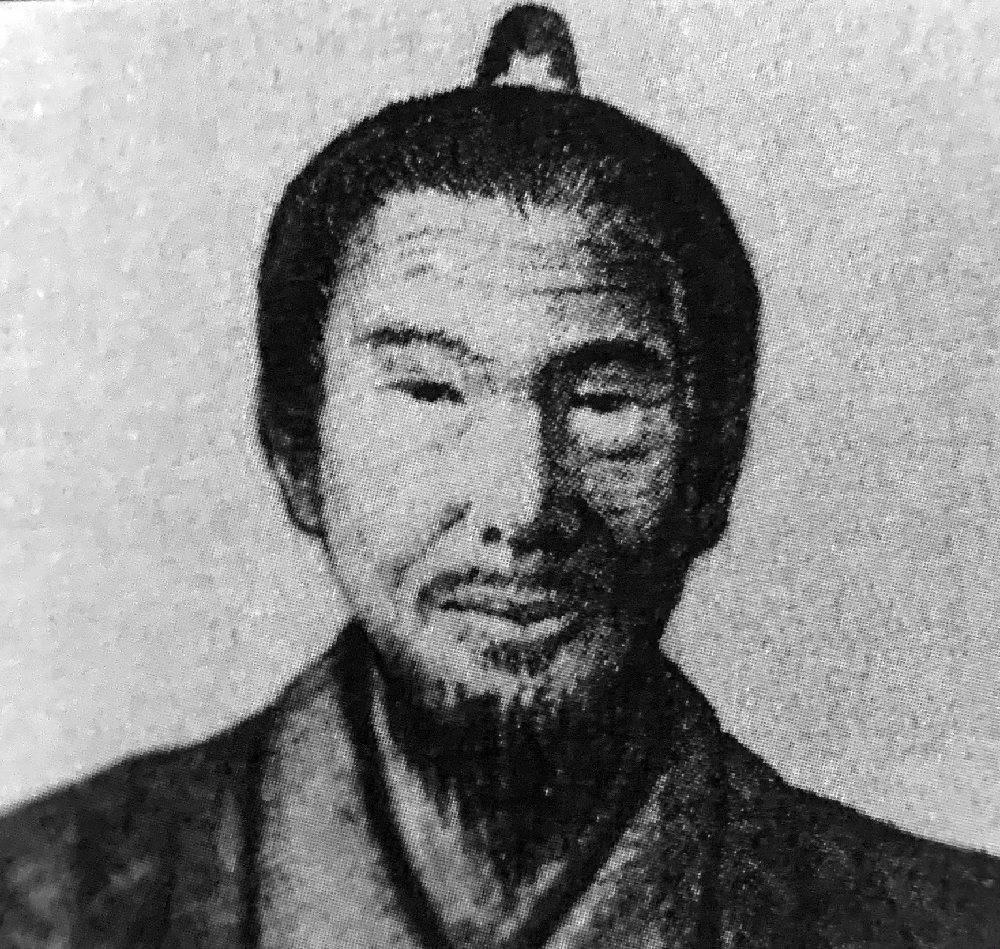
Kanga Sakugawa (1733–1815) – Known as “Tode” Sakugawa, he studied Chinese martial arts under Kusanku and integrated them with Okinawan fighting traditions. His teachings laid the foundation for Shuri-te and inspired future masters to blend external influences with native practices. Sakugawa is often referred to as one of the "founding fathers" of karate.
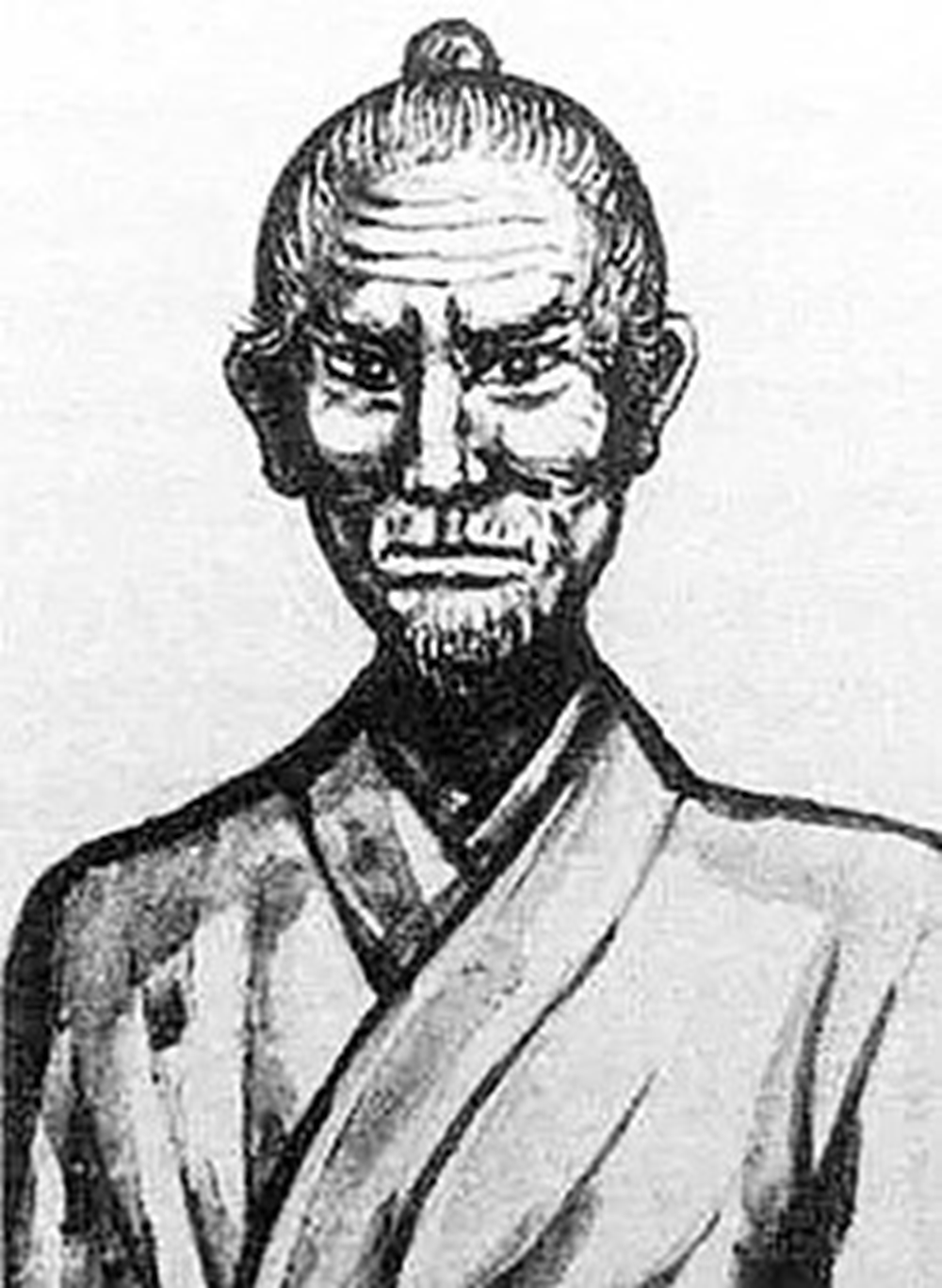
Sokon “Bushi” Matsumura (1809–1899) – A royal bodyguard to Okinawan kings, Matsumura is regarded as the father of Shuri-te. His discipline and mastery influenced Itosu and Asato, proving Karate could be both practical for defense and noble in spirit. He focused heavily on developing great speed in every technique, as he believed that speed was the key to power.
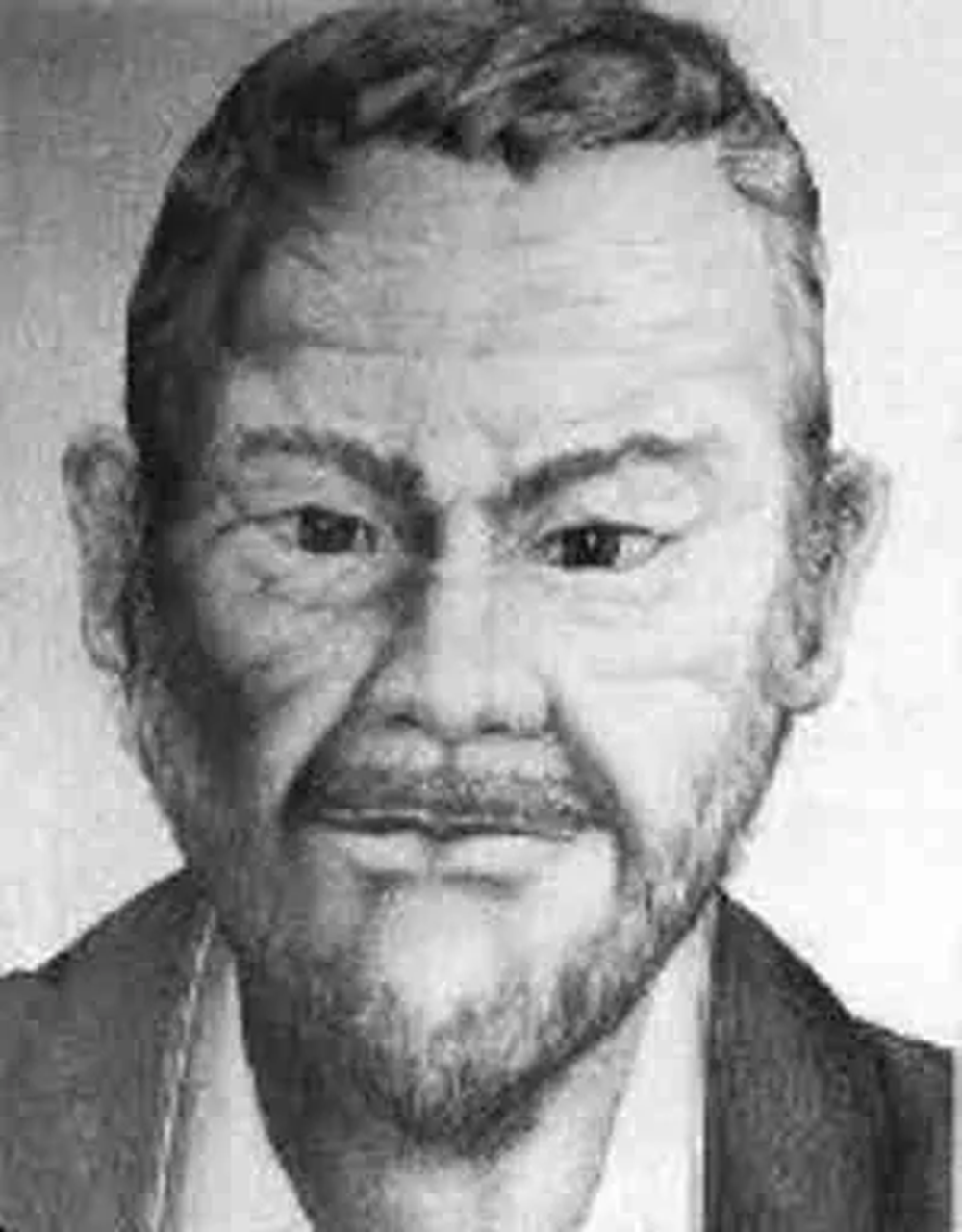
A Shuri-te master who mentored Gichin Funakoshi. His guidance helped bridge Okinawan Karate to Japan, showing how tradition could adapt to new cultural contexts. According to Funakoshi, Asato was not only a master of karate, but also skilled at riding horses, swordsmanship, archery, and an exceptional scholar.
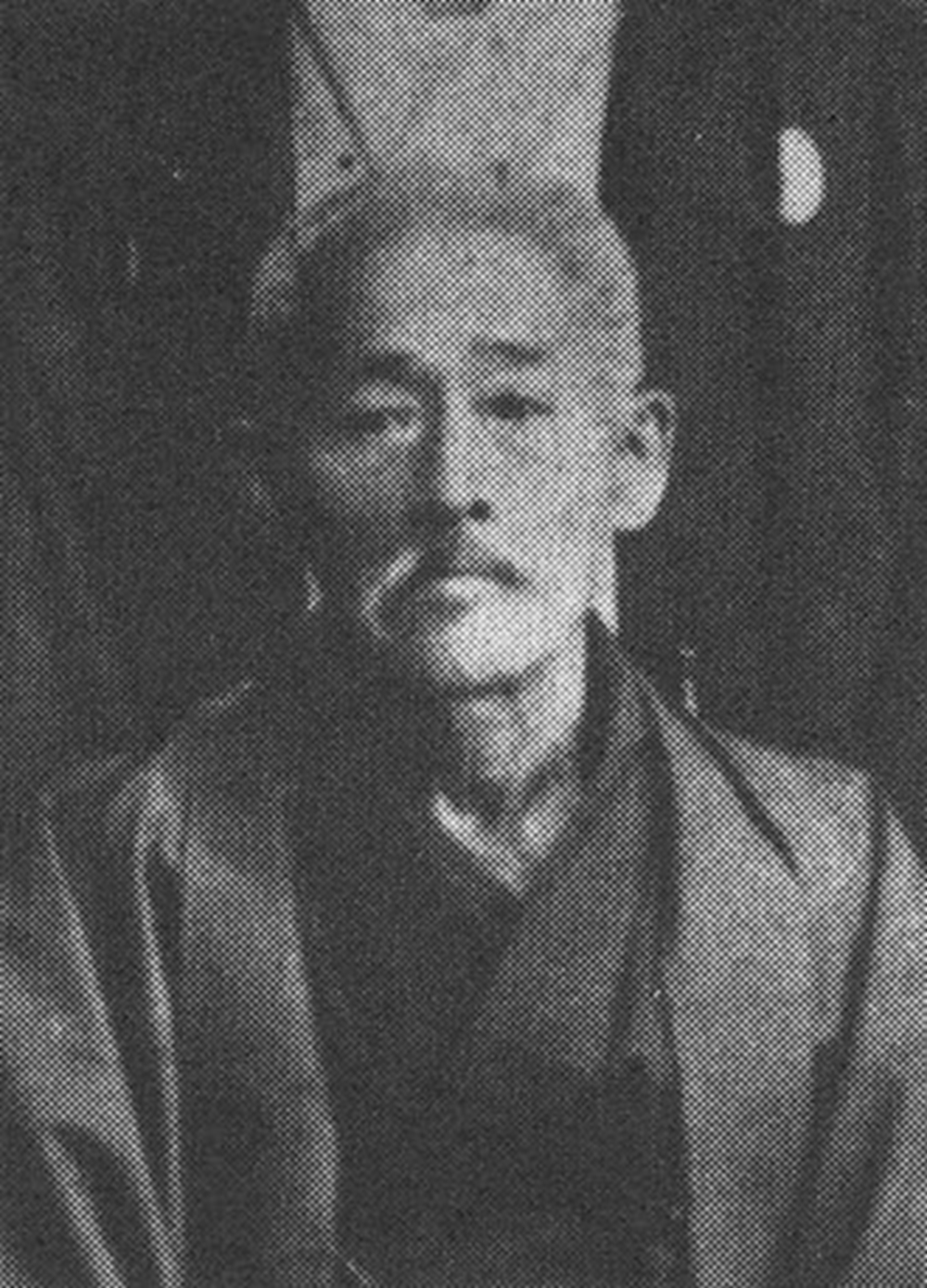
Kanryo Higaonna (1853–1915) – Founder of Naha-te, he trained extensively in China and brought back powerful techniques. His dedication to rigorous training inspired his student Chojun Miyagi to create Goju-Ryu, blending strength with fluidity. Kanryo was noted for his powerful Sanchin kata.
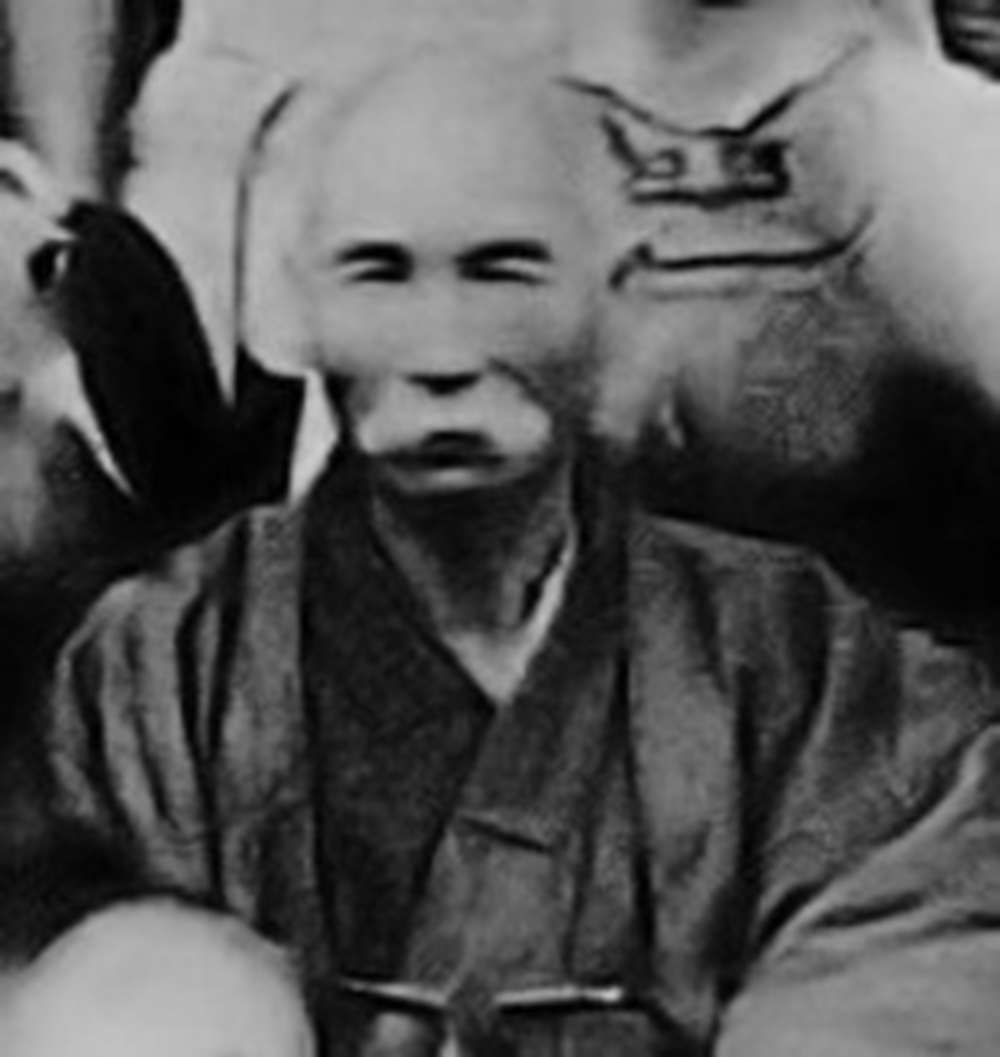
Anko Itosu (1831–1915) – Famous for introducing Karate into Okinawan schools, he simplified kata for education. His vision ensured Karate’s survival and growth, making it accessible to younger generations. Itosu served as a secretary to the last king of the Ryūkyū Kingdom until Japan abolished the Okinawa-based native monarchy in 1879.
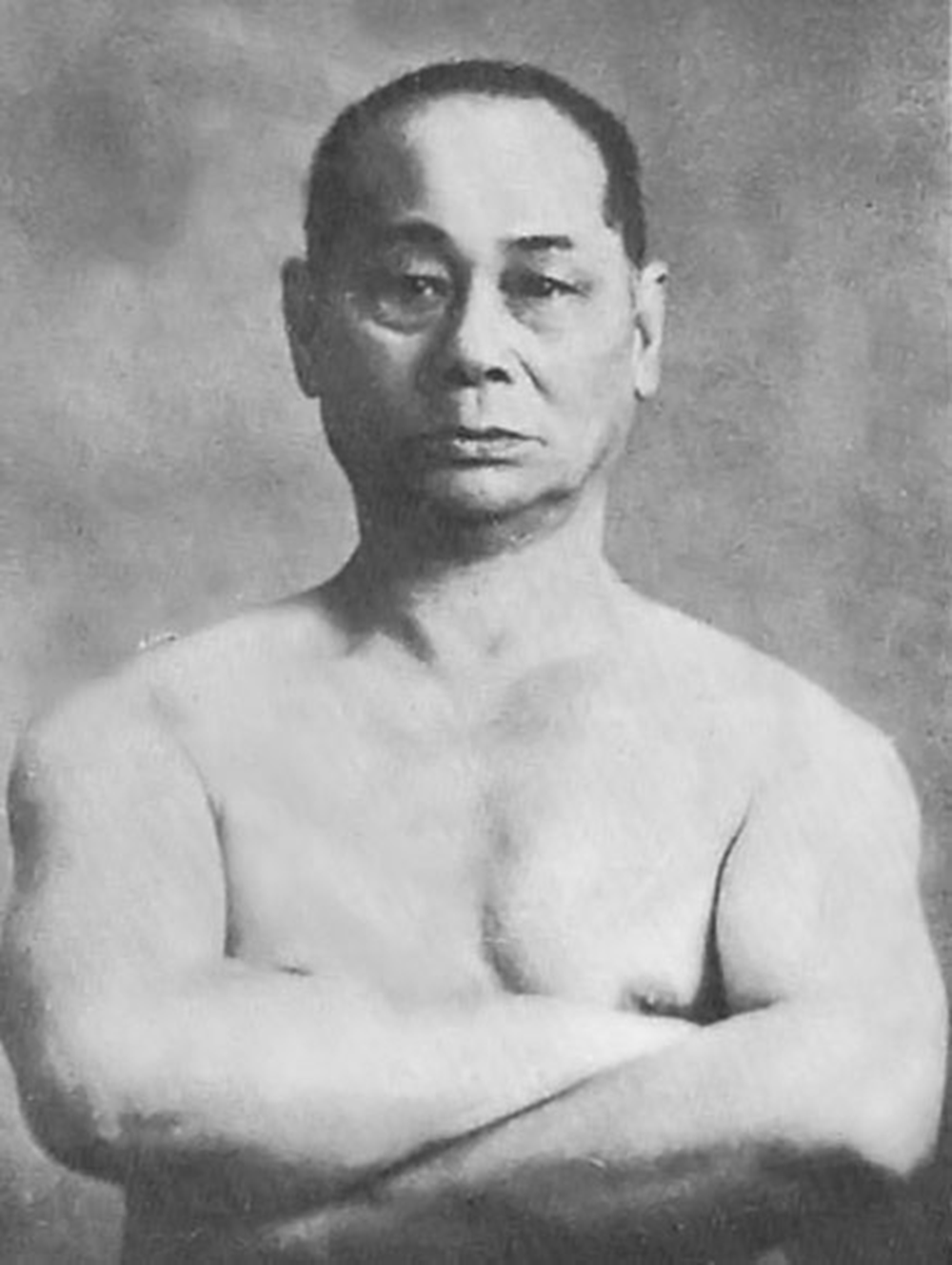
Choki Motobu (1870–1944) – Renowned for his fighting prowess, he emphasized real combat over theory. His approach reminded Karateka that practicality and courage are at the heart of martial arts. He excelled especially in kumite and was known throughout Okinawa in his twenties and later came to be regarded as the best in Okinawa in terms of practical karate techniques.
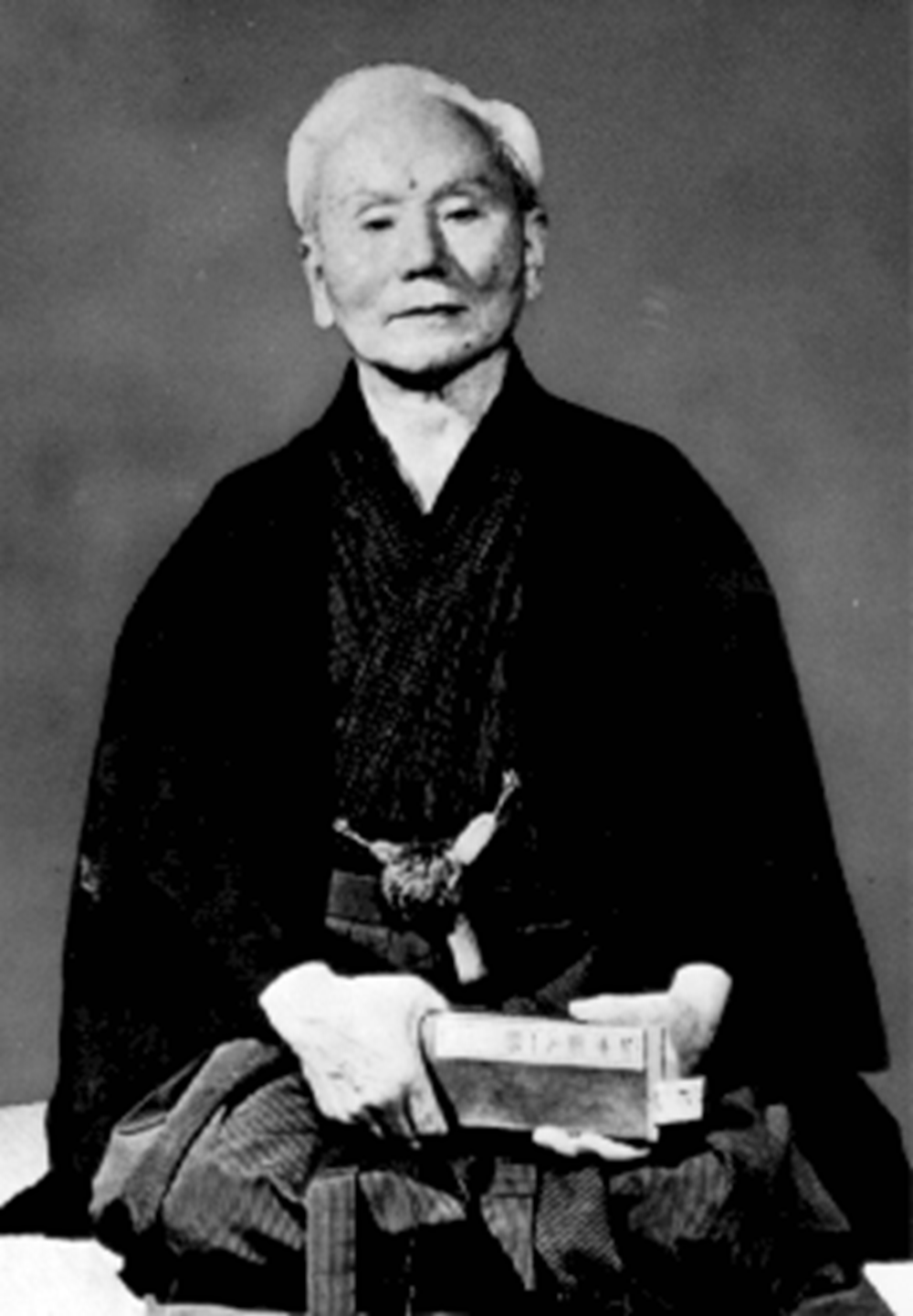
Gichin Funakoshi (1868–1957) – Founder of Shotokan, he introduced Karate to mainland Japan in 1922 following its earlier introduction by his teacher Itosu. His philosophy emphasized respect, discipline, and character, transforming Karate into a way of life. He is known as a "father of modern karate". He taught karate at various Japanese universities and became honorary head of the Japan Karate Association upon its establishment in 1949.
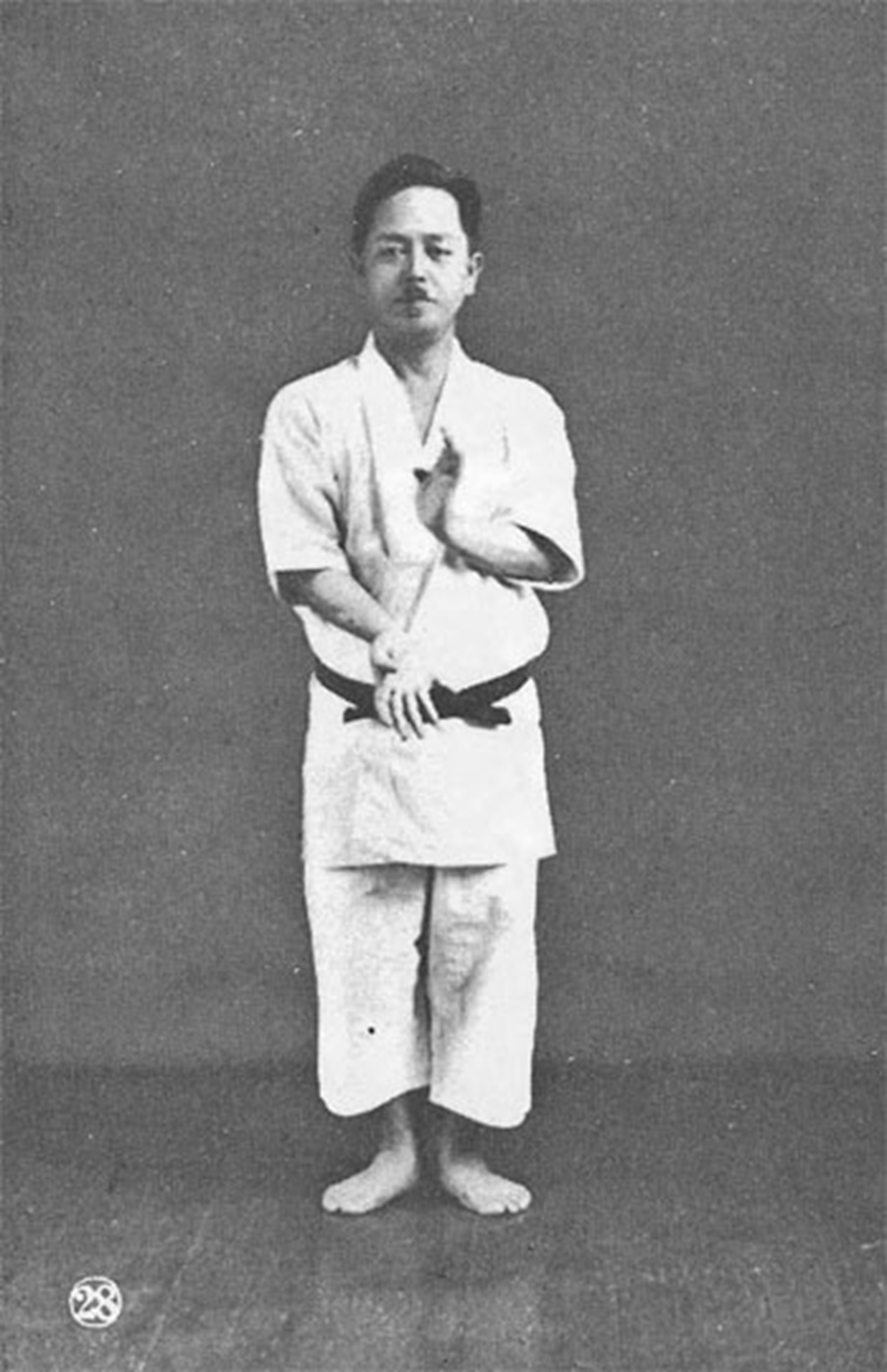
Kenwa Mabuni (1889–1952) – Founder of Shito-Ryu, he studied under both Itosu and Higaonna. One of the first karateka to teach karate in mainland Japan he chose the first characters of the names Itosu and Higaonna, his teachers for Shito-Ryu. His style blended Shuri-te and Naha-te, showing the power of synthesis in martial arts.
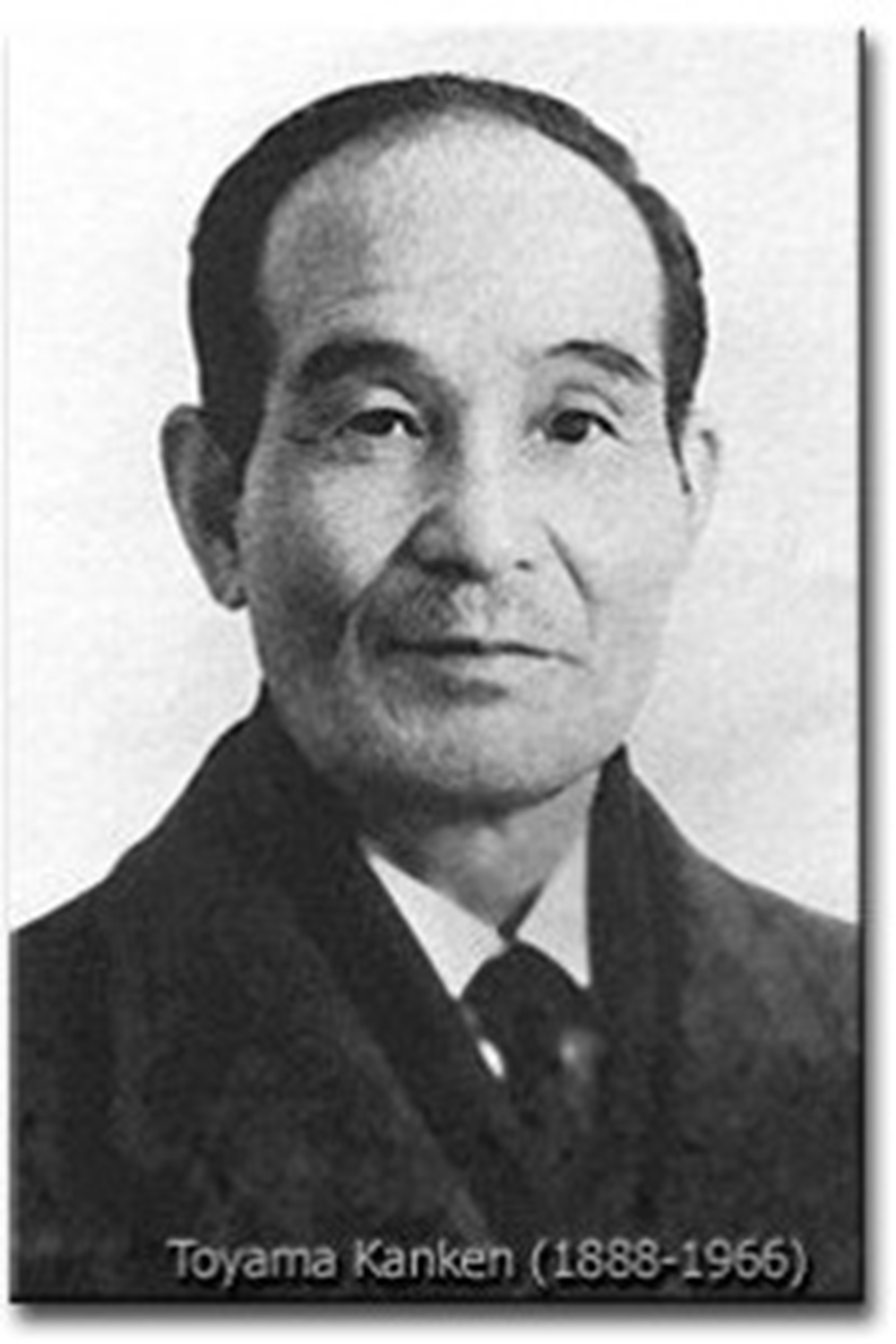
Kanken Toyama (1888–1966) – Founder of Shudokan, he incorporated Chinese martial influences. He believed Karate should remain flexible, teaching adaptability as a core principle. Toyama believed that "there is no school in karate" and he maintained a non-school principle throughout his life.